Sailing Boat Classic
As an embroidery designer and product reviewer, I’ve evaluated countless machine embroidery designs. Sailing Boat Classic stands out for its clean, timeless appeal and versatility across a range of projects. This vector logo design feels like it was made to be stitched—whether on a custom tote bag, a baby onesie, or a patch for a jacket. It’s the kind of design that immediately evokes a sense of calm, nostalgia, and adventure, making it ideal for coastal-themed products or any project with a nautical twist.
First Impressions: A Design That Speaks Volumes
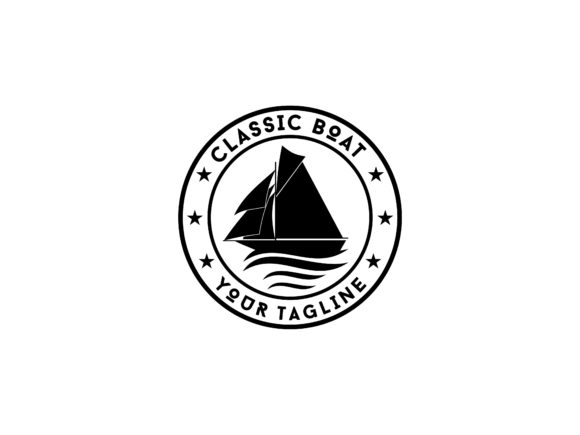
The Sailing Boat Classic design has a simple yet striking layout. The boat is centered, with a clear silhouette that captures the essence of a classic sailboat without overcomplicating the details. The use of negative space around the boat gives it a modern, minimalist feel, which is perfect for both traditional and contemporary embroidery projects. The overall composition is balanced, with enough detail to make the design recognizable but not so intricate that it becomes overwhelming when stitched.
This design would work well as an applique design or a satin stitch piece. Its clean lines and open areas make it easy to adapt for different fabric types and embroidery techniques. Whether you’re working on a sweatshirt, a pillow cover, or a personalized gift, the Sailing Boat Classic design has a visual personality that feels both professional and approachable.
Real-World Use: How Sailing Boat Classic Performs in Embroidery Projects
When I first tested Sailing Boat Classic on a sample fabric, I was impressed by how well it translated from the digital file to the physical stitch. The design maintains its clarity even at smaller sizes, which is a big plus for items like caps, patches, or baby clothes where space is limited. However, there are some considerations to keep in mind depending on the project.
For custom apparel like t-shirts or sweatshirts, this design works exceptionally well. The resolution of 300 dpi ensures that the details remain sharp, and the transparent background makes it easy to place the design on different colored garments. If you're planning to use it on dark fabrics, you might want to adjust the thread colors to ensure visibility. Lighter threads can help the design stand out without losing its intended aesthetic.
On textured or stretchy fabrics, the design may require additional stabilizer to prevent puckering or distortion. For thin or delicate materials, a lightweight tear-away stabilizer could be beneficial. When working on curved surfaces like caps or hats, the hoop size and placement of the design become critical. Sailing Boat Classic is compact enough to fit into most standard hoops, but you’ll want to double-check the dimensions before starting your project.
Where to Be Cautious: Limitations and Considerations
While Sailing Boat Classic is a solid choice for many embroidery projects, there are a few areas where it might not perform as well. For instance, if you're using it on small hoop sizes, you may need to adjust the design or split it into sections. Similarly, if the design includes tiny lettering or detailed corners, those elements might get lost during stitching, especially on dense or complicated stitches.
For commercial embroidery projects, it’s important to verify the licensing terms before selling finished products or digital files. The product description mentions that it comes in EPS, PNG, SVG, and transparent background formats, which should be compatible with most embroidery software. However, always confirm the terms of use to avoid any issues down the line.
Impact on Visual Appeal and Customer Perception
Sailing Boat Classic adds a touch of sophistication to any handmade product or personalized gift. Its clean lines and classic theme make it instantly recognizable, which is great for brand consistency and customer recognition. When used on items like tote bags, aprons, or holiday gifts, it elevates the overall look and feel of the finished product, making it more appealing to buyers.
From a practical standpoint, this design enhances the value of your work. Customers often associate well-designed embroidery with quality and attention to detail. Using Sailing Boat Classic in your projects can help build trust and encourage repeat business, especially if you're an Etsy seller or running a craft business.
Embroidery Designer Notes: Practical Tips for Success
Before finalizing any project with Sailing Boat Classic, I recommend testing the design on scrap fabric. This will help you see how the stitches look on your specific material and allow you to adjust the settings if needed. Checking the thread color contrast is also essential—especially if you're using the design on dark or light backgrounds.
Review the stitch density to ensure it's appropriate for the fabric type. If the design is too dense, it may cause the fabric to pucker or become stiff. For larger projects, consider breaking the design into sections if it doesn’t fit in your hoop. Always inspect small details like the sails or hull to make sure they come out clearly after stitching.
Finally, don’t forget to test the design in black and white mockups. This helps you visualize how it will look on different fabric colors and ensures that the design remains legible and attractive in all variations.
Conclusion: A Versatile Design for Many Uses
Sailing Boat Classic is a reliable and adaptable machine embroidery design that fits well into a variety of projects. Whether you're creating custom apparel, personalized gifts, or small shop merchandise, this design offers a balance of style and functionality. Its clean, classic look makes it suitable for both personal and commercial use, provided you follow the necessary guidelines for fabric, thread, and hoop compatibility.
If you're looking for a logo that can be easily adapted to different embroidery styles and products, Sailing Boat Classic is definitely worth considering. Just remember to test it thoroughly and pay attention to the details—because the difference between a good design and a great one often comes down to how well it translates from screen to stitch.