Piano Comb Logo Design Review
As an embroidery designer with years of experience, I’ve evaluated countless machine embroidery designs. The Piano Comb Logo stands out for its unique retro aesthetic and versatility across multiple applications. But before jumping into a project, it’s essential to understand how this design performs in real-world scenarios.
First Impressions: A Retro Charm with Practical Potential
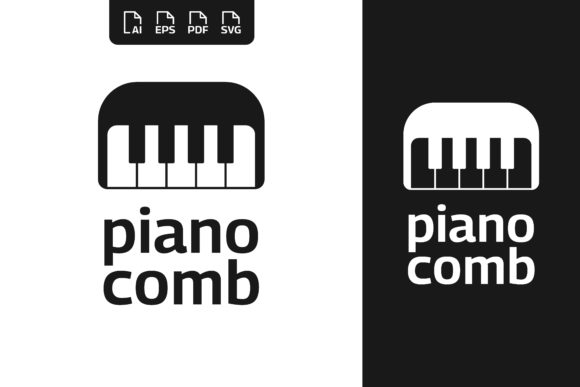
The Piano Comb Logo immediately evokes a sense of nostalgia with its minimalist lines and clean typography. The design features a stylized piano key motif that feels both modern and vintage, making it ideal for businesses in the music, fashion, or creative industries. Its layout is straightforward, with a strong visual center that makes it easy to adapt to various embroidery projects.
The theme is subtle yet distinctive, which means it can blend well with other design elements without overpowering them. Whether you’re working on custom apparel, baby items, or personalized gifts, the Piano Comb Logo has a natural place in your creative toolkit.
Real-World Embroidery Performance
Testing the Piano Comb Logo on different fabrics and project types gives insight into its practicality. On cotton tote bags, the design holds up well with clear stitching and a polished look. For sweatshirt embroidery, the design’s simplicity helps maintain visibility even on darker fabric backgrounds.
When used on baby clothes, the design’s clean lines prevent any potential irritation from rough edges, and its small size makes it perfect for onesies or burp cloths. As an embroidered patch, the Piano Comb Logo offers a professional finish, especially when using satin stitch and fill stitch techniques.
For holiday embroidery or wedding gifts, the design’s retro vibe adds a touch of elegance without being too flashy. It also works well as a printable mockup for digital product previews, allowing customers to visualize the final look before purchasing.
Where to Use With Caution
While the Piano Comb Logo is versatile, there are situations where it may not perform as expected. On small hoop sizes, the design’s details might get lost, so it’s best to adjust the scale or choose a simpler version if available. Textured fabrics can sometimes make the stitching less crisp, so testing on scrap fabric first is crucial.
On thin or stretchy fabrics, the design may require additional stabilizer to prevent puckering or distortion. Dark fabric backgrounds can also affect the visibility of lighter thread colors, so choosing the right thread contrast is important. For layered garments or curved surfaces like caps, the design’s shape may need slight adjustments to fit properly.
Impact on Visual Appeal and Customer Perception
The Piano Comb Logo enhances the visual appeal of any finished product, especially when used on custom apparel or small shop merchandise. Its clean, retro style adds a layer of sophistication that can elevate the perceived value of handmade products or personalized gifts.
From a branding perspective, the design supports consistency across different mediums, whether it’s a logo on a t-shirt, a patch, or a digital product preview. This consistency helps build customer trust and recognition, which is vital for Etsy sellers or craft business owners looking to establish a strong brand identity.
For commercial embroidery projects, the design’s simplicity ensures clarity in stitching, reducing the risk of errors during production. It also works well as a decorative accent on kitchen towels, pillow covers, or nursery decor, adding a touch of personality to everyday items.
Practical Designer Notes
Before using the Piano Comb Logo in any project, always test it on scrap fabric to assess how the stitches interact with the material. Check the stitch density to ensure it’s appropriate for the intended use—too dense and it may cause fabric distortion; too sparse and it may look incomplete.
Confirm the hoop size required for the design, especially if you’re working with limited space. Inspect small details like corners and lettering to ensure they remain sharp after stitching. Testing the design in black and white mockups can help identify any issues with contrast or visibility.
When working with light or dark fabric backgrounds, compare the design’s appearance to ensure it remains legible and visually appealing. Using the proper stabilizer is essential for maintaining the integrity of the embroidery, especially on delicate or stretchy materials.
Lastly, verify that the Piano Comb Logo is suitable for both personal and commercial projects. If you plan to sell finished items or digital products, confirm the licensing terms to avoid any legal complications.
Conclusion: A Timeless Design with Endless Possibilities
The Piano Comb Logo is more than just a graphics file—it’s a flexible, stylish choice for embroidery designers, small business owners, and creative entrepreneurs. Its retro charm and minimalist approach make it adaptable to a wide range of projects, from custom apparel to personalized gifts.
With careful consideration of fabric type, stitch density, and hoop size, the Piano Comb Logo can become a valuable addition to your design assets. Whether you’re creating a handmade product for a craft fair or preparing a digital embroidery file for sale, this design offers both aesthetic appeal and practical functionality.