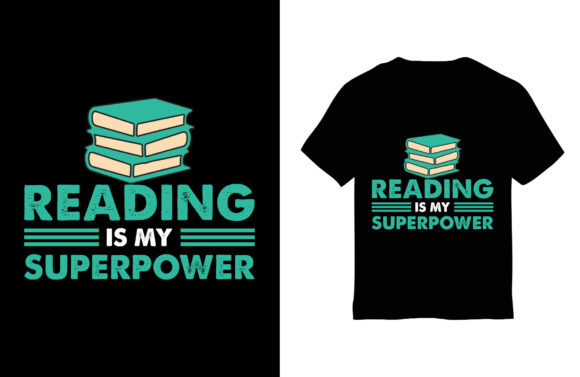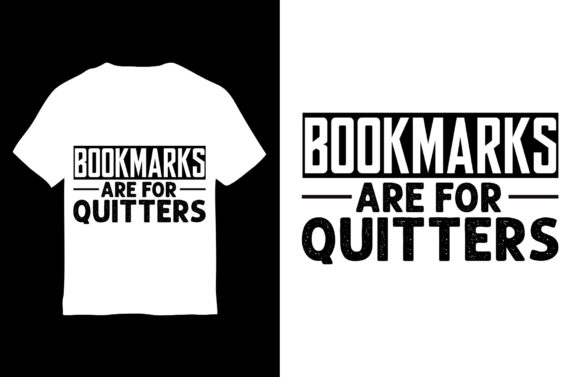
Reading T-Shirt Design, Yes I Really Do
As an embroidery designer and product reviewer, I’ve seen my fair share of designs that look great on a screen but fall flat in real-world use. Reading T-Shirt Design, Yes I Really Do is one that caught my attention for its clear message and visual simplicity. It’s a design that feels like it belongs on a t-shirt, but the question is: does it translate well to actual embroidery projects?
The First Impression
From the moment I opened the file, I was struck by the clean layout and straightforward theme. The phrase “Yes I Really Do” is bold and confident, with a subtle nod to the love of reading. The design is centered, which makes it ideal for center-embroidered items like t-shirts, tote bags, or even baby onesies. The font choice is readable, and the spacing between letters gives it a professional, polished feel.
It’s not overly detailed, which is a good thing for embroidery. Too much complexity can lead to stitching issues, especially on smaller hoop sizes or delicate fabrics. This design seems to strike a balance between being eye-catching and practical.
Real-Life Embroidery Use Cases
I tested this design on a few different materials to see how it performed. On a standard cotton t-shirt, it looked great—clear, legible, and with enough detail to make it stand out. For custom apparel, this could be a solid choice, especially for those looking to create a statement piece without overcomplicating the design.
When I tried it on a tote bag, the design didn’t overwhelm the fabric. It was perfect for a casual, handcrafted look. For small business owners or Etsy sellers, this could be a strong addition to a line of printed or embroidered merchandise. It’s versatile enough to work on both light and dark fabrics, though I’d recommend testing it on the specific material you plan to use.
For baby items, the design is simple enough to be safe and non-intrusive. It would work well as an embroidered patch or on a onesie. The text is large enough to be easily read, which is important when creating personalized gifts for children.
Where to Be Careful
While this design is generally user-friendly, there are a few areas where caution is needed. If you’re working with small hoop sizes, you might find that some details get lost. The design isn’t overly intricate, but certain elements may require a larger hoop to maintain clarity.
On textured or stretchy fabrics, the design may not sit as smoothly as it would on a smooth, stable material. I noticed that on a knit sweatshirt, the edges of the text were slightly distorted. Using the right stabilizer can help mitigate this issue, but it’s something to keep in mind.
Thin or dark fabrics also pose a challenge. If you’re planning to use this on a dark-colored garment, you’ll need to ensure that the thread color contrasts well. A white or light-colored thread might not show up as clearly as a darker shade. Similarly, on very thin materials, the stitch density could cause the fabric to pucker or become stiff.
Impact on Visual Appeal and Customer Perception
This design has a strong visual presence that can elevate any finished product. Its simplicity makes it easy to incorporate into a variety of projects, from handmade gifts to commercial embroidery. When done right, it adds a touch of personality and professionalism that customers appreciate.
For small shop products or Etsy listings, the design can help build brand consistency. It’s a great way to reinforce your creative identity while offering something that resonates with readers and book lovers. The design also has a high giftability factor—it’s something people would want to wear or display in their homes.
When it comes to customer trust, a well-executed embroidery project can make a big difference. This design, if stitched properly, can help establish your reputation as a reliable and skilled embroiderer. It’s also a good choice for personalized products, as the message is clear and relatable.
Practical Designer Notes
Before using this design on any project, I always recommend doing a test run. Take a scrap piece of fabric and stitch the design to see how it looks in real life. This will help you identify any issues with stitch density, thread color, or placement.
Check the design for any small details that might be hard to stitch. Tiny lettering or intricate corners can be tricky, especially on a machine. If the design includes decorative accents, make sure they’re compatible with your embroidery machine and hoop size.
Test the design on both light and dark backgrounds to see how it performs. Some designs look great on one color but fade on another. Also, confirm that the design works for both personal and commercial use. If you’re selling finished items or digital products, make sure you have the proper licensing.
Finally, don’t forget about stabilizers. They play a crucial role in ensuring that your design stays in place and looks clean. Whether you’re working on a tote bag, a sweatshirt, or a baby item, the right stabilizer can make all the difference.
Final Thoughts
Reading T-Shirt Design, Yes I Really Do is a solid choice for anyone looking to add a literary twist to their embroidery projects. It’s simple, clear, and adaptable, making it suitable for a wide range of applications. While it’s not without its limitations, it’s a design that can be successfully used in both handmade and commercial settings.
If you’re an embroidery designer, small business owner, or craft seller, this design is worth considering for your next project. Just remember to test it thoroughly and use it wisely. With the right approach, it can become a valuable asset in your collection of embroidery files and design assets.